Showing posts with label Sabbath. Show all posts

Thursday, July 10, 2014

SABBATH SYMBOLS IN SCRIPTURE by Teresa Beem

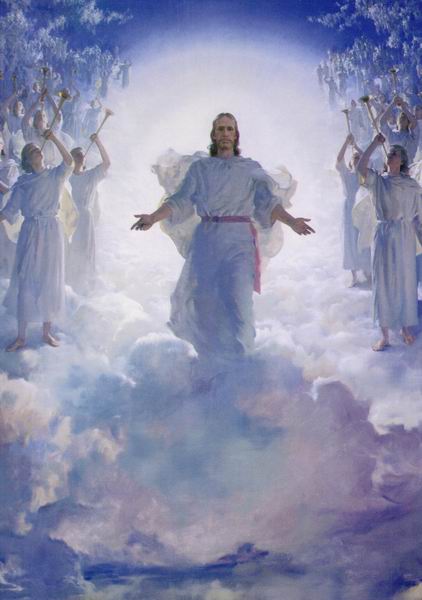
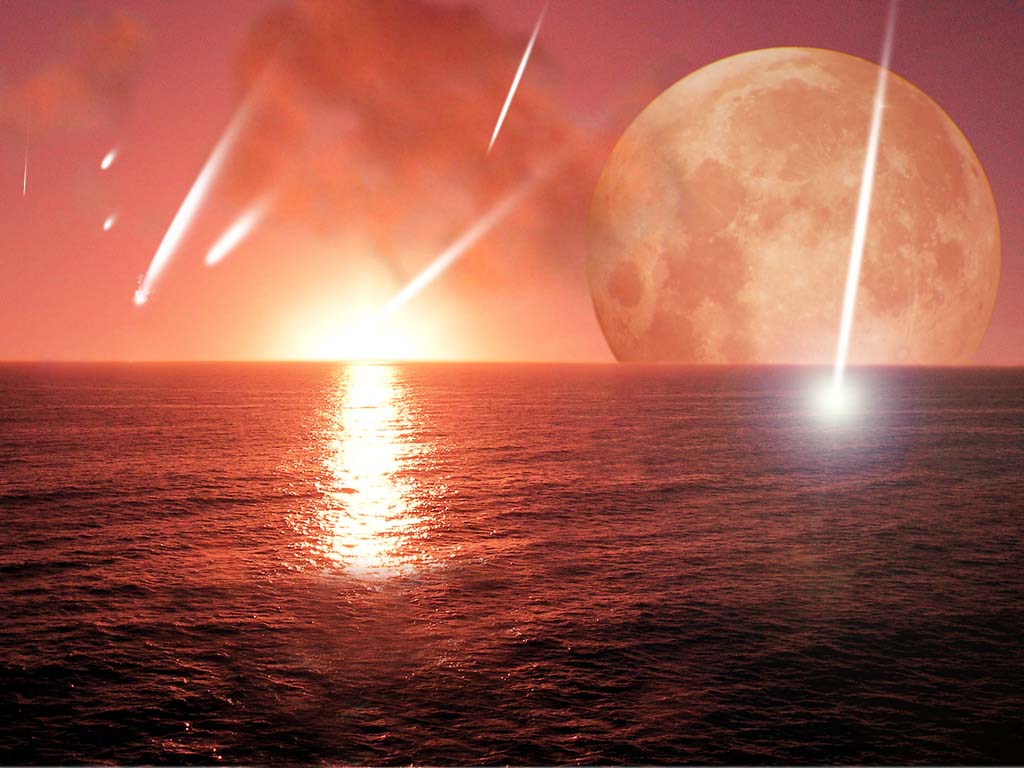
But immediately after the tribulation of those days the sun will be darkened and the moon will not give its light and the stars will fall from the sky, and the powers of the heavens will be shaken. And then the sign of the Son of Man will appear in the sky... Matt. 24:29-30

We cannot rightly interpret the Old Testament if we do not understand the language and culture of Israel.

The Hebrew language is highly mystical, symbolic and literarily beautiful. Letters are used for multiple purposes, such as numbers and symbols. The language is replete with play-on-words and layers of meaning. This is especially important to keep in mind when we read the prophets and the genre of apocalyptic writings such as Daniel and Revelation. Often prophecies have dual or even more meanings and fulfillments. Last-days prophecies are overpopulated with these symbols via numbers and monsters and antichrists and heavenly catastrophes.

One type of symbolism in scripture is when material realities symbolize non-material realities. The symbol itself has a physical form while what the symbol means or points forward to is a non-physical, yet nonetheless, reality. The Bible is full of these types of symbols yet the most pertinent of these types of symbols is the Bible’s reference to the sun, moon, stars. 

Sabbath Symbols: Sun, Moon, Stars

In scripture, the sun, moon and stars
symbolized a liturgical cycle of holy days and seasons. To Israel, the heavens were a huge religious calendar. This goes back to the creation week when God said of the heavenly bodies, “Let them be for signs (remembrance, warnings, omens) and for seasons (appointed meetings, sacred times, set feasts).” (Gen. 1:14) On the fourth day, the heavens were set in place to point to Israel’s holy convocations and sacred assemblies. And on the seventh, God appointed the first holy time--a rest--that would later be called a sabbath for the Jews. 

The sun was to show an evening and morning--a day. It also helped set the time of yearly seasons. The moon was for weeks and months and the stars for seasons and years. For Israel the phrase "sun, moon and stars," was symbolic code to mean days of the week, months and years (seasons). 

The Hebrew word used in Genesis for seasons is the exact same word used in Leviticus 23 for appointed times, therefore it directly connects the sun, moon and stars with Israel’s sabbath.
The Lord’s appointed times (Gen. 1: 14 “seasons”) which you shall proclaim as holy convocations. My appointed times (seasons) are these: For six days work may be done, but on the seventh day there is a sabbath of complete rest, a holy convocation. You shall not do any work; it is a sabbath to the Lord in all your dwellings. (Lev. 23: 2-3)

Genesis’ word for seasons = appointed times =  sabbaths. 

Besides the weekly sabbaths, Leviticus 23 identifies Israel’s other sacred appointed times/seasons as: the Passover, Unleavened Bread, First Fruits, Pentecost, the Day of Atonement and the Feast of the Tabernacles. These are also called sabbaths and no labor is to be done during those days. 

Israel’s leaders would gage the weekly and
seasonal holy sabbath assemblies by looking to the sky--to the sun, moon and stars. In fact, Israel was warned not to fall prey to heaven-worship because their calendar was above their head sparkling and shining mysteriously. (Deut. 4: 19)

Darkening of the Heavenly Bodies

When God speaks about the darkening of the sun, moon and stars it is usually a portent of evil. "And when I extinguish you, I will cover the heavens and darken their stars; I will cover the sun with a cloud and the moon will not give its light. Eze. 32: 7 (See also Eccl. 12: 2.)

There is even a strong connection between the darkening of the heavenly bodies with the “day of the Lord” (the Lord’s coming) and judgement.

I have even called My mighty warriors, My proudly exulting ones, to execute My anger. The Lord of hosts is mustering the army for battle....to destroy the whole land. Wail, for the day of the Lord is near! It will come as destruction from the Almighty....Behold, the day of the Lord is coming, cruel, with fury and burning anger, to make the land a desolation; and He will exterminate its sinners from it. For the stars of heaven and their constellations will not flash forth their light. The sun will be dark when it rises and the moon will not shed its light. Thus I will punish the world for its evil and the wicked for their iniquity. (Isa. 13: 4-11) 
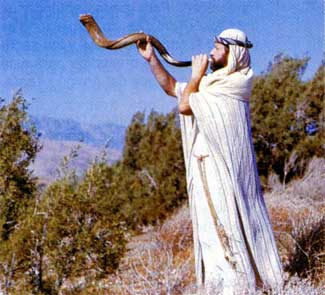
Blow a trumpet in Zion, and sound an alarm on My holy mountain! Let all the inhabitants of the land tremble, for the day of the Lord is coming; surely it is near. A day of darkness and gloom, a day of clouds and thick darkness....Like a mighty people arranged for battle. Before them the people are in anguish. All faces turn pale...Before them the earth quakes, the heavens tremble, the sun and the moon grow dark And the stars lose their brightness....The day of the Lord is indeed great and very awesome, And who can endure it? Joel 2: 1-11. 
Proclaim this among the nations: Prepare a war...Put in the sickle, for the harvest is ripe. Come, tread, for the wine press is full; The vats overflow, for their wickedness is great. Multitudes, multitudes in the valley of decision! For the day of the Lord is near in the valley of decision. The sun and moon grow dark And the stars lose their brightness. Joel 3: 9-15.
Christians often interpret these passages to be the futuristic second coming of Christ. And indeed, they are probably a dual prophecy. But Israel saw these as portents of the day of the Lord, the coming of the Messiah, which would accompany war and judgement in their time. Afterwards, Jerusalem would become the capital city of the new Kingdom of Heaven. Christ supported that position as He connected the darkening of the sun, moon and stars to His time. (As did John in Revelation 8.) 


When His disciples asked when the Messiah’s kingdom would commence, Jesus replied that Jerusalem would be destroyed. “Truly I say to you, not one stone here will be left upon another, which will not be torn down.” Matt. 24: 2. That must have shocked them, for they were awaiting the restoration of all things, not the temple’s destruction. Jesus warned them that at that time when these things occurred His disciples must flee Jerusalem, for a great tribulation was coming when the sun would be darkened and the moon and stars fall. (Matt. 24: 29). Then Jesus said a very startling thing, “Truly I say to you, this generation will not pass away until all these things take place.” Matt. 24:34. (See Luke 21.)

These signs were for their day, to be fulfilled in one generation. And the signs began at the Cross. Luke tells us that the sun was obscured. (Luke 23:45). Yet, we must be very careful not to take these symbols too literally. They meant something far more important. They meant that the Jewish Temple system and the Old Testament prophecies had been fulfilled. The great and terrible day of the Lord had come and and the Jews were now being judged.

Peter’s sermon in Acts 2 relates Joel's prophecy of the sun, moon and stars falling to their time. It was the end of Israel’s world and it had come to pass in less than forty years. In AD 70, Roman soldiers destroyed Jerusalem and the temple. Hundreds of thousands of God’s people were massacred. Israel connected this war with the Messiah’s arrival. When those on Jerusalem’s walls watched the Roman’s artillery lobbed in their direction, they cried out, “The son cometh!” (Josephus, The Wars of the Jews, Book 5, Chapter 6.)

When the Temple fell, it was so great a fall that symbolically the heavens and their liturgical calendar fell with it. The Sabbaths were swept away with God’s wrath. The seasons of the sacred assemblies, portrayed as the vanishing of the sun, moon and stars, could never again return. For there was no temple for Holy Convocations, no temple for worship with its offerings and sacrifices. No longer could fresh wine be put into old wineskins.

In came the new order of things. The New Covenant was instituted through the Cross and a New Heaven and a New Earth began. Hence why Paul can so confidently tell the Christians that the Old Covenant holy days with its sabbaths were and are no more. (Col 2: 16, Rom. 14:5)

Scholars suggest that when Jesus commanded His followers to flee Jerusalem at its destruction, He was not simply meaning to run to another city but flee the whole system of Judaism. The law and prophets had been fulfilled in Christ.


The symbolism of the darkening of the sun, moon and stars is God’s code for the first-century believers that when the day of the Lord arrives, the Jewish judgement day, the New Covenant would take precedence over the Mosaic covenant. And specifically it would mean that the holy days, sabbaths and sacred assemblies would be done away with. And this happened at the Cross.  


Sources: The Apocalypse: The Perennial Revelation of Jesus Christ (Wilmington, DE: Michael Glazier, 1983) and Barber, Michael (2006-01-02). Coming Soon: Unlocking the Book of Revelation and Applying Its Lessons Today. Emmaus Road Publishing. 


Saturday, April 19, 2014

Holy Saturday a Sermon by St. Peter


It was my first Easter outside of Adventism and everything was strange. Someone had invited me to Holy Saturday services. I thought that was going to be weird, "Sunday keepers" going to church on Sabbath. All things seemed topsy-turvy. But I went. It was an Episcopalian Church. Very beautiful, very old. In fact, our first president was said to have worshipped there when he was a 16-year-old surveyor for Virginia. But as I sat down among all the people, things were about to get older… much older.

The Protestant pastor began to read an ancient sermon and the more he read, the more my mouth opened in shock. I almost wanted to shake my head and way myself up. The pastor claimed that this was one of the Apostle Peter's first sermons. And it was a doozy… actually, for a former Seventh-day Adventist, it was absolutely unbelievable. 

A sermon of St. Peter that wasn't in the Bible? Could it be true? Why hadn't I heard of the sermon? I had to talk to the pastor about this. So I waited as he shook everyone's hand after church and then approached him with my questions. Sure enough, this sermon had been read in Christian Holy Saturday services for as long as the church has records. It was indeed the most ancient sermon we have outside of scripture. And all accounts are that Peter himself gave it on one of the early Holy Saturday services. 

I still am awed by what the sermon actually says. I hope you will be just as moved as I was. The sermon is posted here:


The Lord's descent into hell
"What is happening? Today there is a great silence over the earth, a great silence, and stillness, a great silence because the King sleeps; the earth was in terror and was still, because God slept in the flesh and raised up those who were sleeping from the ages. God has died in the flesh, and the underworld has trembled.

Truly he goes to seek out our first parent like a lost sheep; he wishes to visit those who sit in darkness and in the shadow of death. 


He goes to free the prisoner Adam and his fellow-prisoner Eve from their pains, he who is God, and Adam's son.

The Lord goes in to them holding his victorious weapon, his cross. When Adam, the first created man, sees him, he strikes his breast in terror and calls out to all: 'My Lord be with you all.' And Christ in reply says to Adam: ‘And with your spirit.’ And grasping his hand he raises him up, saying: ‘Awake, O sleeper, and arise from the dead, and Christ shall give you light.

‘I am your God, who for your sake became your son, who for you and your descendants now speak and command with authority those in prison: Come forth, and those in darkness: Have light, and those who sleep: Rise.


‘I command you: Awake, sleeper, I have not made you to be held a prisoner in the underworld. Arise from the dead; I am the life of the dead. Arise, O man, work of my hands, arise, you who were fashioned in my image. Rise, let us go hence; for you in me and I in you, together we are one undivided person.

‘For you, I your God became your son; for you, I the Master took on your form; that of slave; for you, I who am above the heavens came on earth and under the earth; for you, man, I became as a man without help, free among the dead; for you, who left a garden, I was handed over to Jews from a garden and crucified in a garden.

‘Look at the spittle on my face, which I received because of you, in order to restore you to that first divine inbreathing at creation.
See the blows on my cheeks, which I accepted in order to refashion your distorted form to my own image.

'See the scourging of my back, which I accepted in order to disperse the load of your sins which was laid upon your back. See my hands nailed to the tree for a good purpose, for you, who stretched out your hand to the tree for an evil one.

I slept on the cross and a sword pierced my side, for you, who slept in paradise and brought forth Eve from your side. My side healed the pain of your side; my sleep will release you from your sleep in Hades; my sword has checked the sword which was turned against you.

‘But arise, let us go hence. The enemy brought you out of the land of paradise; I will reinstate you, no longer in paradise, but on the throne of heaven. I denied you the tree of life, which was a figure, but now I myself am united to you, I who am life. I posted the cherubim to guard you as they would slaves; now I make the cherubim worship you as they would God.
"The cherubim throne has been prepared, the bearers are ready and waiting, the bridal chamber is in order, the food is provided, the everlasting houses and rooms are in readiness; the treasures of good things have been opened; the kingdom of heaven has been prepared before the ages."


A reading from an ancient homily for Holy Saturday
Prayer

Almighty, ever-living God, whose Only-begotten Son descended to the realm of the dead, and rose from there to glory, grant that your faithful people, who were buried with him in baptism, may, by his resurrection, obtain eternal life.
(We make our prayer) through our Lord.
(Through Christ our Lord.)


Prepared by Pontifical University Saint Thomas Aquinas
http://www.vatican.va/spirit/documents/spirit_20010414_omelia-sabato-santo_en.html

Tuesday, June 25, 2013

FRAUDULENT CLIP CIRCULATED BY ADVENTISTS!!


(Note: This video is not being circulated by the SDA church, but some members.) 

You won't know it by watching, but this clip is from The Carter Report, a Seventh-day Adventists evangelistic outreach. There is nothing in the video clip that suggests it is a Seventh-day Adventist production. It is made to look as if a real Catholic bishop is standing in front of a secular audience at some type of international or press conference. All of it is fake folks! 

And the Catholic Bishop isn't a bishop at all. He's an actor. 

A few minutes ago I just talked on the phone to the Carter Report and they are claiming that someone cut a clip out of the service and without their permission is circulating it as if it is real. This isn't even a former bishop who converted to Adventism as some are wondering. This is an actor pretending to be a bishop misquoting Catholic sources. 

The Carter Report better be careful or they will end up being charged with fraud. On many levels. First they went to the trouble of purchasing or making bishop's vestments, then even wore the scholarly biretta, nice touch. Then they clip Catholic quotes and distort them repulsively. Catholic scholars have often implored the SDA church to quit falsifying their doctrines and history. Adventists still use these bogus quotes as if they have "exposed" a hidden agenda. 

The quotes are as concocted as the bishop.


This is a SDA evangelist Carter Report television SET! All you see and all you hear is for entertaining and indoctrination purposes. Learn the truth about Catholicism. This is a distortion.

Read the Catechism and specifically read Pope John Paul II's Dies Domini.

(UPDATE: Someone just wrote me and told me that the people who edited this from its original context are an independent group of SDAs. It's source may be 3ABN. We're still looking into it. However, even if John Carter clearly told his audience that it was an actor, and the transcript shows Mr. Carter said nothing, the visual adds authority to the misinformation. 

Wednesday, March 27, 2013

The Sabbath: More Important than Adventists Even Know


Holy Saturday, the Final Sabbath: An Anti-type of the Death of Christ


Christians have been commemorating the last Sabbath since the beginning. Only, instead of observing the Jewish weekly Sabbath as a command, Holy Saturday is a yearly Christian tradition to remember Christ in the tomb during the passion week, the day before Christians celebrate the resurrection. It is said that St. Peter, prince of the Apostles, gave the first Holy Saturday sermon and we still have copies of that sermon passed down to our time. Some of this ancient sermon is recorded here:


"What is happening? Today there is a great silence over the earth, a great silence, and stillness, a great silence because the King sleeps; the earth was in terror and was still, because God slept in the flesh and raised up those who were sleeping from the ages. God has died in the flesh, and the underworld has trembled.”


The last Sabbath Christ spent in the tomb. His body rested in death. And its importance is vastly more than a day. This Sabbath, the Sabbath of salvation, was prophesied all the way back at creation. 

The meaning of Sabbath slowly unfolded through time as recorded in scripture. Let's return to the Creation story and the first day of rest.

Genesis: The Seventh Day


“Thus the heavens and the earth were completed, and all their hosts. By the seventh day God completed His work which He had done, and He rested on the seventh day from all His work which He had done. Then God blessed the seventh day and sanctified it, because in it He rested from all His work which God had created and made.” Gen. 2: 1-3


God rested on the seventh day. Our Creator needs no rest, for He is spirit. His rest, in fact, was not for Himself but to show us that one day He would rest again. His first rest pointed to another rest in the future. 

This seventh day of creation week was unlike any of the other days, for the scripture records each day with a evening and a morning. The first six days had an opening and a closing. Each day began with the light dimming (evening) and ended with the light dawning (morning). 

Only with a cycle of both darkness and light was there a complete day. With the evening and the morning, it was finished. But, in the creation account, the seventh day had no external boundaries. It had no beginning and end like the other days. The seventh day rest day was not finished. That was for a very important purpose. To find the purpose of the open-ended seventh day of creation we need to know what a seven day cycle meant.

The Seven Day Cycle

Sevens in scripture point to cycles of completion. The seventh in all cycles signals the end, the finish of whatever was taking place. Whether it was a week, a time period for healing or taking a vow, often the Bible speaks of a seven day cycle. When the ceremonial cycle of seven was finished,
 another cycle began. 

So in creation, God began a cycle of seven days that didn’t quite end. The seventh day did not complete the cycle of both evening and morning. 

The creation week ended... but not quite, for the seventh day rest began but never ended. In a sense we can say the seventh day began with the evening but there was no record of the cycle being completed. As if God was saying, “The morning has not yet come.” The cycle of God’s physical creation ended, the heavens and earth were done... yet, the rest He began was not finished. 

There was something more....

God rested the seventh day, a rest that was not yet completed... 

Then this rest began to unfold in Israel's history.


Introduction of the Sabbath Rest


In Exodus 16, the newly freed people of God were tested in the wilderness to see if they would obey God. The test was the manna. One day a week, at the end of a cycle of seven, manna would cease falling from the heavens. The bread of angels would rest. On this day of Sabbath rest or “ceasing” Israel was not to work nor to even go outside (Ex. 16:29), as if Sabbath was kind of a rest of death. In fact, Israel was commanded not even to light a light! They were to stay inside their tents as if they were in a tomb.

Then more rules were added:
No gathering, no working.
Stay inside.
Slaves rest.

Animals rest.
All Israel was commanded to cease.


Almost as if Israel was playing out a part of death by this Sabbath rest.

This rest was a sign for Israel, it pointed back to the seventh day of creation. That same seventh day that wasn’t quite finished. That day of evening and yet no morning, when God rested. 


Israel was given a test of resting, almost as if the test was joining God in His resting of creation. A rest that seemed like a death. No light. Stay in tent. No work. Total rest, like death.

In fact, if you did not cease from all work and stay inside your tent and complete the command of a seventh-day rest, God commanded your own physical death. (Ex. 35:3)

The end of this cycle of sevens was holy. To profane the sign of God’s rest at creation, meant physical death. As Israel wandered in the wilderness awaiting the promised land, Sabbath was not a day to go out at look at nature. It was not a day to enjoy. It was a solemn rest, just as if it were a preparation for Israel’s death. 


So to recap: Sabbath (rest/ceasing) ends a seven day cycle of completion before a new cycle begins. This rest of God did not end at Creation. Something wasn't complete. And a similar rest, given to Israel, remembered the open-ended rest of creation and also resembled death. Could these Sabbaths be a Old Testament antitype of Christ's death?

The Sabbath Death


All those endless cycle of sevens for the people of God which ended in a ceasing, a night without end, a rest that never seemed to complete itself. These cycles started over again each week, each seven years, and each seven/sevens of years (the Jubilee). There was never an eighth day. 

The eighth day in scripture means a new beginning. The eighth day was also a prophecy of the first day of a new heaven and a new earth. An eighth day would mean the end of the old cycle and a new would begin. 

Okay, think about this: since Israel was given all these cycles of sevens ending with a Sabbath rest, could they not have some ceremonial significance that pointed to Christ? After all, many of the ceremonies, like the Passover, the sin offerings, the Exodus that were indeed Messianic prophecies. 

Could not this cycle of seven, ending in a Sabbath rest (that resembled death) point as a sign to the Savior and the rest He was bringing? 

Many would agree it was. However now add to that sign of Messianic rest with the creation open-ended seventh day.

God’s rest at creation began but was not finished until He would rest in the tomb. The first seventh day rest would culminate in the last seventh-day rest on that Great and Holy Saturday when Christ would enter the tomb. As an ancient writer (perhaps even St. Peter himself) spoke about this Great and Holy Sabbath:


“Today there is a great silence over the earth, a great silence, and stillness, a great silence because the King sleeps...Truly he goes to seek out our first parent like a lost sheep.... He goes to free the prisoner Adam and his fellow-prisoner Eve from their pains, he who is God, and Adam's son. The Lord goes in to them holding his victorious weapon, his cross.  ‘Awake, O sleeper, and arise from the dead, and Christ shall give you light. I am your God, who for your sake became your son, who for you and your descendants now speak and command with authority those in prison: 

Come forth, and those in darkness: Have light, and those who sleep: Rise. ‘I command you: Awake, sleeper, I have not made you to be held a prisoner in the underworld. Arise from the dead; I am the life of the dead. Arise, O man, work of my hands, arise, you who were fashioned in my image. Rise, let us go hence; for you in me and I in you, together we are one undivided person.

`I slept on the cross and a sword pierced my side, for you, who slept in paradise and brought forth Eve from your side. My side healed the pain of your side; my sleep will release you from your sleep in Hades; my sword has checked the sword which was turned against you. 
‘But arise, let us go hence.’ “ (From ancient homily, “For Holy Saturday: The Lord’s Descent into Hell,” http://www.vatican.va/spirit/documents/spirit_20010414_omelia-sabato-santo_en.html).


Holy Saturday Proclaimed, “It Is Finished!”


God’s rest at creation began but was not finished until He had conquered both Heaven and Hell, both the seen and the unseen, the physical creation and the spiritual creation. With the Sabbath rest of Holy Saturday, God’s rest was finally complete. It was finished. All those Sabbaths Israel was figuratively in the tomb with Christ, pointed to the ultimate fulfillment of the end of the cycle of sin. The end of the seven of sin, the seventh day was finally over. Now with the dawn of the eighth day, the evening of the seventh day was finished! The morning and the true light had come in Jesus. Our Messiah. Our Christ. Our Savior.

Sabbath was to proclaim (as a sign) what God was going doing for us through His rest--begun at creation. He was going to suffer the depths of the underworld, the tomb, the dark rest of no light, just as the sabbaths commanded for Israel.

Now a new heaven and a new earth has come. The cycle of sin is over and the Sabbath of death has been fulfilled. We continue to remember the Sabbath, that great commandment of God for the Jews, only we do it now through the lens of the New Covenant. We now commemorate Holy Saturday once a year (as a Christian tradition) as it takes us to the completion of the seven-day cycle of creation.


And now we remember that then, as Holy Saturday’s tomb trembled the rest of death is over. The curse is lifted and sin has been conquered. 

We are now living a new cycle and its day of commemoration isn’t the tomb, but the SUN RISE!! THE MORNING HAS COME! With Christ’s resurrection, the cycle of creation was completed and now a new kind of rest was brought in. No longer a physical rest, but a rest in the completion of Christ’s salvation.   


The Sabbath was Israel's sign that the Messiah would fulfill the law and the prophets by His death and entombment and finish the long cycle of unaccomplished rest. They entered the prophecy of the tomb by ceasing their labor each Sabbath. 

Christ was bringing in the New Covenant rest that was to be found in Him. "Come unto me all ye who are weary and heavy laden and I will give you rest." And Christ entered the tomb and the final Sabbath was finished.


Morning has broken and we are living in a new day and a new creation. A day of life. A cycle of morning and the Son that will never end. 


Wednesday, March 20, 2013

The Sabbath, It is Finished


For verily I say unto you, till heaven and earth pass, one jot or one tittle shall in no wise pass from the law, till all be fulfilled. Matthew 5: 18 
I tell you I will not drink again of this fruit of the vine until that day when I drink it new with you in my Father's kingdom. Matthew 26:29

Seventh-day Adventists believe that in these two texts Jesus was speaking of the fulfillment of all things at the Second Coming. That the law given to the Hebrews at Sinai is still in effect (at least some aspects of it) for Christians today because the Kingdom hasn’t yet come. According to Adventists, not a jot or tittle can be changed because at the Cross, all things were not fulfilled, God’s Kingdom did not come.

But what if, what if, at the Cross all things were fulfilled and the Kingdom of God came? Think about it. What if the Kingdom of God actually came at the Cross and resurrection of Christ and God mission was fulfilled --every single jot and tittle?

That is why today, most Christians do not follow the Old Covenant, but the New Covenant. We believe God absolutely fulfilled all of His mission to save at the Cross and with the resurrection the Kingdom of God came onto the earth.

When Jesus came to earth, He was the Word made flesh. Jesus was God’s Word! Jesus came to fulfill the Law and Prophets. He was the Torah incarnate and with His death a profound change in all human history occurred. With the resurrection a new order was established with a new heaven and a new earth. 

The Kingdom was fulfilled

Let’s look at all the texts in the Book of Matthew that show Jesus fulfilled the Law to the very last jot and tittle while on earth:


“All this took place to fulfill what the Lord had spoken by the prophet.” 1:22 
“This was to fulfill what the Lord had spoken by the prophet, "Out of Egypt have I called my son.” 2:15
“Then was fulfilled what was spoken by the prophet.” Jeremiah.” 2: 17
“And he went and dwelt in a city called Nazareth, that what was spoken by the prophets might be fulfilled, “He shall be called a Nazarene.” 2: 23
But Jesus answered him, "Let it be so now; for thus it is fitting for us to fulfill all righteousness." Then he consented.” 3:15
“...that what was spoken by the prophet Isaiah might be fulfilled.” 4:14
“Think not that I have come to abolish the law and the prophets; I have come not to abolish them but to fulfill them.” 5: 17
“This was to fulfill what was spoken by the prophet Isaiah, “He took our infirmities and bore our diseases.” 8:17
“This was to fulfill what was spoken by the prophet Isaiah,” 12: 17
“With them indeed is fulfilled the prophecy of Isaiah which says: 'You shall indeed hear but never understand, and you shall indeed see but never perceive.” 13: 14
“This was to fulfill what was spoken by the prophet: “I will open my mouth in parables, I will utter what has been hidden since the foundation of the world.” 13: 35
“This took place to fulfill what was spoken by the prophet, saying...” 21: 4
“But how then should the scriptures be fulfilled, that it must be so?” 26: 54
“But all this has taken place, that the scriptures of the prophets might be fulfilled.” Then all the disciples forsook him and fled.” 26: 56
“Then was fulfilled what had been spoken by the prophet Jeremiah, saying, “And they took the thirty pieces of silver, the price of him on whom a price had been set by some of the sons of Israel,” 27:9

Every jot and tittle at the Cross was fulfilled. Now a New Covenant has come. We see this specifically noted in the final moments before Christ died.

The Kingdom came at the cup on the Cross


I tell you I will not drink again of this fruit of the vine until that day when I drink it new with you in my Father's kingdom. Matthew 26:29

At the Last Supper, Jesus declared to His disciples that He would not drink of the fruit of the vine until the kingdom came! Adventists assume this is still to happen when Christ comes again. And yet the scripture indicates that at the cross Christ specifically asked for and drank wine right before His death. 

After this Jesus, knowing that all was now finished, said (to fulfill the scripture), "I thirst." A bowl full of sour wine stood there; so they put a sponge full of the sour wine on hyssop and held it to his mouth. When Jesus had received the sour wine, he said, "It is finished"; and he bowed his head and gave up his spirit. John 19: 28-30

So at the Cross not only was all finished but the Kingdom of God came. And this mustard seed of a kingdom will continue until Jesus comes in the clouds and brings the New Jerusalem, the capital city of God’s kingdom on earth. 

Wednesday, January 23, 2013

Catholics View of the Sabbath: The Official Documentation


Many priests, bishops, scholars and popes have written or spoken opinions about the Sabbath, which they are free to do. But if someone wants to understand the official position Catholics have about the Sabbath, go to the Catechism.

Here are sections of the Catechism of the Catholic Church that explain what we believe about the Sabbath day:


++++++++++++++++

345 The sabbath—the end of the work of the six days. The sacred text says that “on the seventh day God finished his work which he had done,” that the “heavens and the earth were finished,” and that God “rested” on this day and sanctified and blessed it.213 These inspired words are rich in profitable instruction: (2168)

346 In creation God laid a foundation and established laws that remain firm, on which the believer can rely with confidence, for they are the sign and pledge of the unshakeable faithfulness of God’s covenant.214For his part man must remain faithful to this foundation and respect the laws which the Creator has written into it. (2169)

347 Creation was fashioned with a view to the sabbath and therefore for the worship and adoration of God. Worship is inscribed in the order of creation.215 As the rule of St. Benedict says, nothing should take precedence over “the work of God,” that is, solemn worship.216 This indicates the right order of human concerns. (1145-1152)

348 The sabbath is at the heart of Israel’s law. To keep the commandments is to correspond to the wisdom and the will of God as expressed in his work of creation. (2172)

349 The eighth day. But for us a new day has dawned: the day of Christ’s Resurrection. The seventh day completes the first creation. The eighth day begins the new creation. Thus, the work of creation culminates in the greater work of redemption. The first creation finds its meaning and its summit in the new creation in Christ, the splendor of which surpasses that of the first creation.217 (2174, 1046)


ARTICLE 3
THE THIRD COMMANDMENT


Remember the sabbath day, to keep it holy. Six days you shall labor, and do all your work; but the seventh day is a sabbath to the Lord your God; in it you shall not do any work.90

The sabbath was made for man, not man for the sabbath; so the Son of Man is lord even of the sabbath.91

I. The Sabbath Day

2168 The third commandment of the Decalogue recalls the holiness of the sabbath: “The seventh day is a sabbath of solemn rest, holy to the LORD.”92

2169 In speaking of the sabbath Scripture recalls creation: “For in six days the LORD made heaven and earth, the sea, and all that is in them, and rested the seventh day; therefore the LORD blessed the sabbath day and hallowed it.”93 (2057)

2170 Scripture also reveals in the Lord’s day a memorial of Israel’s liberation from bondage in Egypt: “You shall remember that you were a servant in the land of Egypt, and the LORD your God brought you out thence with mighty hand and outstretched arm; therefore the LORD your God commanded you to keep the sabbath day.”94

2171 God entrusted the sabbath to Israel to keep as a sign of the irrevocable covenant.95 The sabbath is for the Lord, holy and set apart for the praise of God, his work of creation, and his saving actions on behalf of Israel.

2172 God’s action is the model for human action. If God “rested and was refreshed” on the seventh day, man too ought to “rest” and should let others, especially the poor, “be refreshed.”96 The sabbath brings everyday work to a halt and provides a respite. It is a day of protest against the servitude of work and the worship of money.97 (2184)

2173 The Gospel reports many incidents when Jesus was accused of violating the sabbath law. But Jesus never fails to respect the holiness of this day.98 He gives this law its authentic and authoritative interpretation: “The sabbath was made for man, not man for the sabbath.”99 With compassion, Christ declares the sabbath for doing good rather than harm, for saving life rather than killing.100 The sabbath is the day of the Lord of mercies and a day to honor God.101 “The Son of Man is lord even of the sabbath.”102 (582)


II. The Lord’s Day

This is the day which the LORD has made; let us rejoice and be glad in it.103

The day of the Resurrection: the new creation

2174 Jesus rose from the dead “on the first day of the week.”104 Because it is the “first day,” the day of Christ’s Resurrection recalls the first creation. Because it is the “eighth day” following the sabbath,105 it symbolizes the new creation ushered in by Christ’s Resurrection. For Christians it has become the first of all days, the first of all feasts, the Lord’s Day (he kuriake hemera, dies dominica)—Sunday: (638, 349)

We all gather on the day of the sun, for it is the first day [after the Jewish sabbath, but also the first day] when God, separating matter from darkness, made the world; and on this same day Jesus Christ our Savior rose from the dead.106

Sunday—fulfillment of the sabbath

2175 Sunday is expressly distinguished from the sabbath which it follows chronologically every week; for Christians its ceremonial observance replaces that of the sabbath. In Christ’s Passover, Sunday fulfills the spiritual truth of the Jewish sabbath and announces man’s eternal rest in God. For worship under the Law prepared for the mystery of Christ, and what was done there prefigured some aspects of Christ:107 (1166)

Those who lived according to the old order of things have come to a new hope, no longer keeping the sabbath, but the Lord’s Day, in which our life is blessed by him and by his death.108

2176 The celebration of Sunday observes the moral commandment inscribed by nature in the human heart to render to God an outward, visible, public, and regular worship “as a sign of his universal beneficence to all.”109 Sunday worship fulfills the moral command of the Old Covenant, taking up its rhythm and spirit in the weekly celebration of the Creator and Redeemer of his people.

The Sunday Eucharist
2177 The Sunday celebration of the Lord’s Day and his Eucharist is at the heart of the Church’s life. “Sunday is the day on which the paschal mystery is celebrated in light of the apostolic tradition and is to be observed as the foremost holy day of obligation in the universal Church.”110 (1167, 2043)

“Also to be observed are the day of the Nativity of Our Lord Jesus Christ, the Epiphany, the Ascension of Christ, the feast of the Body and Blood of Christi, the feast of Mary the Mother of God, her Immaculate Conception, her Assumption, the feast of Saint Joseph, the feast of the Apostles Saints Peter and Paul, and the feast of All Saints.”111

2178 This practice of the Christian assembly dates from the beginnings of the apostolic age.112 The Letter to the Hebrews reminds the faithful “not to neglect to meet together, as is the habit of some, but to encourage one another.”113 (1343)


Tradition preserves the memory of an ever-timely exhortation: Come to Church early, approach the Lord, and confess your sins, repent in prayer.... Be present at the sacred and divine liturgy, conclude its prayer and do not leave before the dismissal.... We have often said: “This day is given to you for prayer and rest. This is the day that the Lord has made, let us rejoice and be glad in it.”114

2179 “A parish is a definite community of the Christian faithful established on a stable basis within a particular church; the pastoral care of the parish is entrusted to a pastor as its own shepherd under the authority of the diocesan bishop.”115 It is the place where all the faithful can be gathered together for the Sunday celebration of the Eucharist. The parish initiates the Christian people into the ordinary expression of the liturgical life: it gathers them together in this celebration; it teaches Christ’s saving doctrine; it practices the charity of the Lord in good works and brotherly love: (1567, 2691, 2226)


The Sunday obligation

The precept of the Church specifies the law of the Lord more precisely: “On Sundays and other holy days of obligation the faithful are bound to participate in the Mass.”117 “The precept of participating in the Mass is satisfied by assistance at a Mass which is celebrated anywhere in a Catholic rite either on the holy day or on the evening of the preceding day.”118 (2042, 1389)

You cannot pray at home as at church, where there is a great multitude, where exclamations are cried out to God as from one great heart, and where there is something more: the union of minds, the accord of souls, the bond of charity, the prayers of the priests.116

2181 The Sunday Eucharist is the foundation and confirmation of all Christian practice. For this reason the faithful are obliged to participate in the Eucharist on days of obligation, unless excused for a serious reason (for example, illness, the care of infants) or dispensed by their own pastor.119 Those who deliberately fail in this obligation commit a grave sin.

2182 Participation in the communal celebration of the Sunday Eucharist is a testimony of belonging and of being faithful to Christ and to his Church. The faithful give witness by this to their communion in faith and charity. Together they testify to God’s holiness and their hope of salvation. They strengthen one another under the guidance of the Holy Spirit. (815)

2183 “If because of lack of a sacred minister or for other grave cause participation in the celebration of the Eucharist is impossible, it is specially recommended that the faithful take part in the Liturgy of the Word if it is celebrated in the parish church or in another sacred place according to the prescriptions of the diocesan bishop, or engage in prayer for an appropriate amount of time personally or in a family or, as occasion offers, in groups of families.”120

A day of grace and rest from work

2184 Just as God “rested on the seventh day from all his work which he had done,”121 human life has a rhythm of work and rest. The institution of the Lord’s Day helps everyone enjoy adequate rest and leisure to cultivate their familial, cultural, social, and religious lives.122 (2172)


2185 On Sundays and other holy days of obligation, the faithful are to refrain from engaging in work or activities that hinder the worship owed to God, the joy proper to the Lord’s Day, the performance of the works of mercy, and the appropriate relaxation of mind and body.123 Family needs or important social service can legitimately excuse from the obligation of Sunday rest. The faithful should see to it that legitimate excuses do not lead to habits prejudicial to religion, family life, and health. (2428)

The charity of truth seeks holy leisure; the necessity of charity accepts just work.124

2186 Those Christians who have leisure should be mindful of their brethren who have the same needs and the same rights, yet cannot rest from work because of poverty and misery. Sunday is traditionally consecrated by Christian piety to good works and humble service of the sick, the infirm, and the elderly. Christians will also sanctify Sunday by devoting time and care to their families and relatives, often difficult to do on other days of the week. Sunday is a time for reflection, silence, cultivation of the mind, and meditation which furthers the growth of the Christian interior life. (2447)

2187 Sanctifying Sundays and holy days requires a common effort. Every Christian should avoid making unnecessary demands on others that would hinder them from observing the Lord’s Day. Traditional activities (sport, restaurants, etc.), and social necessities (public services, etc.), require some people to work on Sundays, but everyone should still take care to set aside sufficient time for leisure. With temperance and charity the faithful will see to it that they avoid the excesses and violence sometimes associated with popular leisure activities. In spite of economic constraints, public authorities should ensure citizens a time intended for rest and divine worship. Employers have a similar obligation toward their employees. (2289)

2188 In respecting religious liberty and the common good of all, Christians should seek recognition of Sundays and the Church’s holy days as legal holidays. They have to give everyone a public example of prayer, respect, and joy and defend their traditions as a precious contribution to the spiritual life of society. If a country’s legislation or other reasons require work on Sunday, the day should nevertheless be lived as the day of our deliverance which lets us share in this “festal gathering,” this “assembly of the firstborn who are enrolled in heaven.”125 (2105)

2189 “Observe the sabbath day, to keep it holy” (Deut 5:12). “The seventh day is a sabbath of solemn rest, holy to the Lord” (Ex 31:15).

2190 The sabbath, which represented the completion of the first creation, has been replaced by Sunday which recalls the new creation inaugurated by the Resurrection of Christ.

2191 The Church celebrates the day of Christ’s Resurrection on the “eighth day,” Sunday, which is rightly called the Lord’s Day (cf. SC 106).

2192 “Sunday... is to be observed as the foremost holy day of obligation in the universal Church” (CIC, can. 1246 § 1). “On Sundays and other holy days of obligation the faithful are bound to participate in the Mass” (CIC, can. 1247).

2193 “On Sundays and other holy days of obligation the faithful are bound... to abstain from those labors and business concerns which impede the worship to be rendered to God, the joy which is proper to the Lord’s Day, or the proper relaxation of mind and body” (CIC, can. 1247).

2194 The institution of Sunday helps all “to be allowed sufficient rest and leisure to cultivate their familial, cultural, social, and religious lives” (GS 67 § 3).

2195 Every Christian should avoid making unnecessary demands on others that would hinder them from observing the Lord’s Day.

90 Ex 20:8-10; cf. Deut 5:12-15.

91 Mk 2:27-28.

92 Ex 31:15.

93 Ex 20:11.

94 Deut 5:15.

95 Cf. Ex 31:16.

96 Ex 31:17; cf. 23:12.

97 Cf. Neh 13:15-22; 2 Chr 36:21.

98 Cf. Mk 1:21; Jn 9:16.

99 Mk 2:27.

100 Cf. Mk 3:4.

101 Cf. Mt 12:5; Jn 7:23.

102 Mk 2:28.

103 Ps 118:24.

104 Cf. Mt 28:1; Mk 16:2; Lk 24:1; Jn 20:1.

105 Cf. Mk 16:1; Mt 28:1.

106 St. Justin, I Apol. 67: PG 6, 429 and 432.

107 Cf. 1 Cor 10:11.

108 St. Ignatius of Antioch, Ad Magn. 9, 1: SCh 10, 88.

109 St. Thomas Aquinas, STh II-II, 122, 4.

110 CIC, can. 1246 § 1.

111 CIC, can. 1246 § 2: “The conference of bishops can abolish certain holy days of obligation or transfer them to a Sunday with prior approval of the Apostolic See.”

112 Cf. Acts 2:42-46; 1 Cor 11:17.

113 Heb 10:25.

114 Sermo de die dominica 2 et 6: PG 86/1, 416C and 421C.

115 CIC, can. 515 § 1.

116 St. John Chrysostom, De incomprehensibili 3, 6: PG 48, 725.

117 CIC, can. 1247.

118 CIC, can. 1248 § 1.

119 Cf. CIC, can. 1245.

120 CIC, can. 1248 § 2.

121 Gen 2:2.

122 Cf. GS 67 § 3.

123 Cf. CIC, can. 1247.

124 St. Augustine, De civ. Dei 19, 19: PL 41, 647.

125 Heb 12:22-23.